
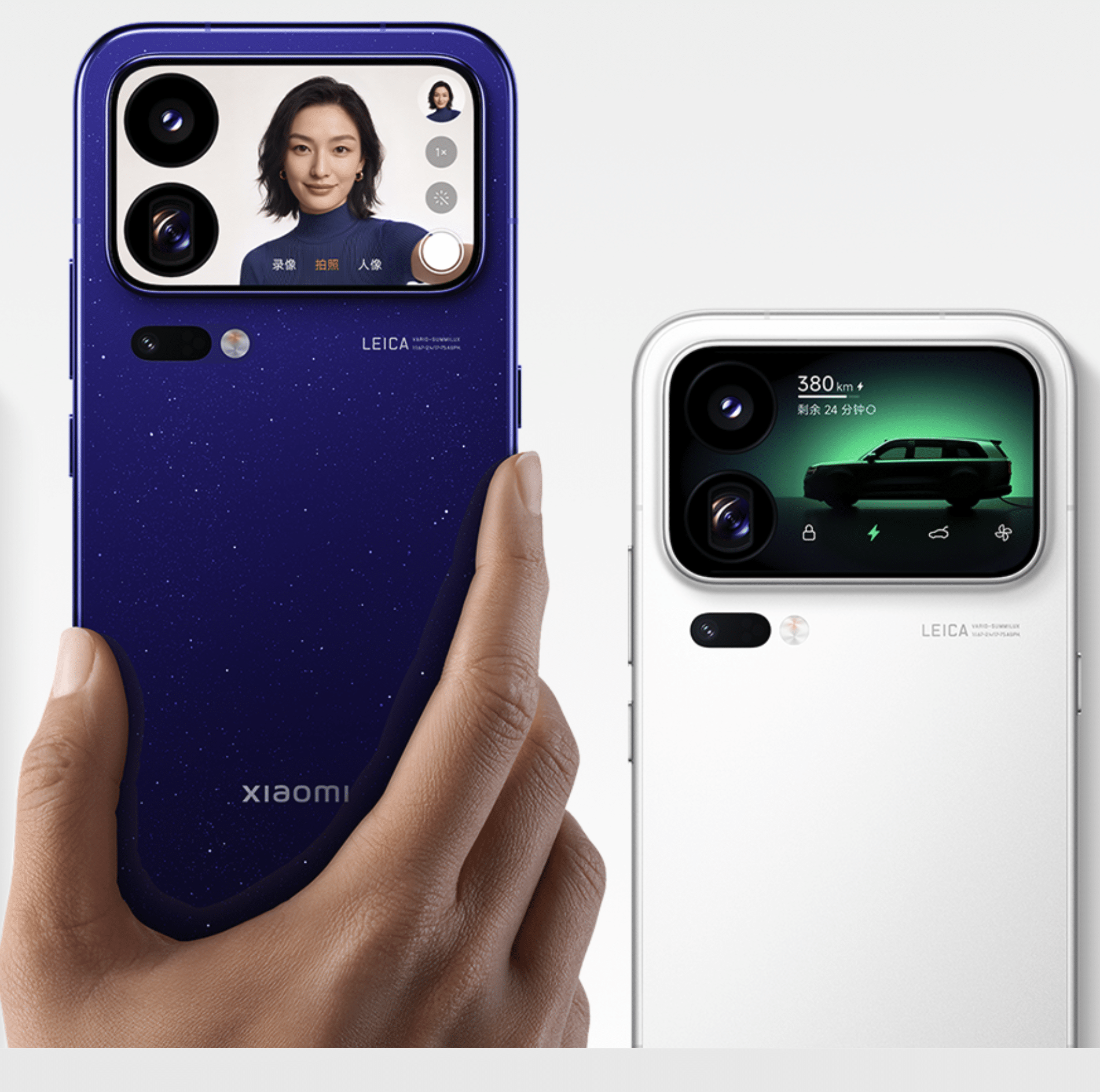
The Xiaomi 18 Pro Max is now official, and Xiaomi has packed it with some unusually aggressive flagship hardware. The highlights include dual 200MP Leica cameras, 2nm Snapdragon chips, an AI-powered rear display and batteries reaching a massive 8,500mAh.
The Xiaomi 18 Pro Max starts at CNY 6,999 in China. It was launched on September 23, 2026.
Both phones come in four main RAM and storage configurations.
| Variant | Xiaomi 18 Pro Max |
|---|---|
| 12GB + 256GB | CNY 6,999 |
| 12GB + 512GB | CNY 7,999 |
| 16GB + 512GB | CNY 8,999 |
| 16GB + 1TB | CNY 9,999 |
| 16GB + 1TB Transparent Edition | CNY 10,999 |
The special transparent versions cost more and bring back the kind of exposed-tech design Xiaomi has experimented with on earlier flagship phones.
Table of Contents
Xiaomi 18 Pro Specifications
The Xiaomi 18 Pro Max is the compact option, but “compact” is doing a lot of work here because Xiaomi has fitted a 7,000mAh battery inside a phone with a 6.4-inch display.
It gets a 6.4-inch 2436 x 1120 OLED display with an adaptive 1Hz to 120Hz refresh rate, up to 4,000 nits peak brightness and very slim 0.99mm bezels.
The phone measures 151.8mm tall and 72mm wide, with weight starting at 203g.
Power comes from the sixth-generation Snapdragon 8 flagship platform, manufactured using a new 2nm process. Xiaomi lists a 2+6 CPU architecture with clock speeds reaching 5GHz.
Xiaomi 18 Pro Max Specifications
The Xiaomi 18 Pro Max moves into proper big-screen flagship territory with a 6.9-inch display and an enormous 8,500mAh battery.
It uses a 2624 x 1208 OLED panel with a 1Hz to 120Hz adaptive refresh rate and up to 4,000 nits peak brightness.
The Pro Max gets the higher-end sixth-generation Snapdragon 8 Super flagship chipset, again based on a 2nm manufacturing process with CPU frequencies reaching 5GHz.
Xiaomi 18 Pro vs Xiaomi 18 Pro Max
| Feature | Xiaomi 18 Pro | Xiaomi 18 Pro Max |
|---|---|---|
| Display | 6.4-inch OLED | 6.9-inch OLED |
| Resolution | 2436 x 1120 | 2624 x 1208 |
| Refresh Rate | 1Hz to 120Hz | 1Hz to 120Hz |
| Peak Brightness | 4,000 nits | 4,000 nits |
| Processor | Snapdragon 8 flagship Gen 6 | Snapdragon 8 Super flagship Gen 6 |
| Main Camera | 200MP Leica | 200MP Leica |
| Telephoto | 200MP Leica periscope | 200MP Leica periscope |
| Optical Zoom | 3.2x | 3.2x |
| Battery | 7,000mAh | 8,500mAh |
| Wired Charging | 100W | 100W |
| Wireless Charging | 50W | 50W |
| Software | HyperOS 4 | HyperOS 4 |
The difference is therefore not simply screen size. The Xiaomi 18 Pro Max also brings the larger battery and the more powerful version of Qualcomm’s new chipset.
Dual 200MP Leica Cameras Are the Big Camera Upgrade
This is where the Xiaomi 18 Pro series gets interesting.
Both phones feature a 200MP Leica main camera using a large 1/1.28-inch sensor, paired with another 200MP Leica periscope telephoto camera using a 1/1.56-inch sensor.
The telephoto camera offers 3.2x optical zoom and can also focus from around 12cm for close-up shots.
That is a lot of resolution on both the normal and zoom cameras. High resolution also gives Xiaomi more room for cropping without immediately throwing away fine detail.
The Pro Max additionally highlights LOFIC high dynamic range technology on its main camera. LOFIC is designed to help the sensor retain more information in very bright and dark areas of the same image.
Xiaomi is also using its “Legendary Moment” computational imaging system, which combines camera processing with AI and cloud-based enhancement.
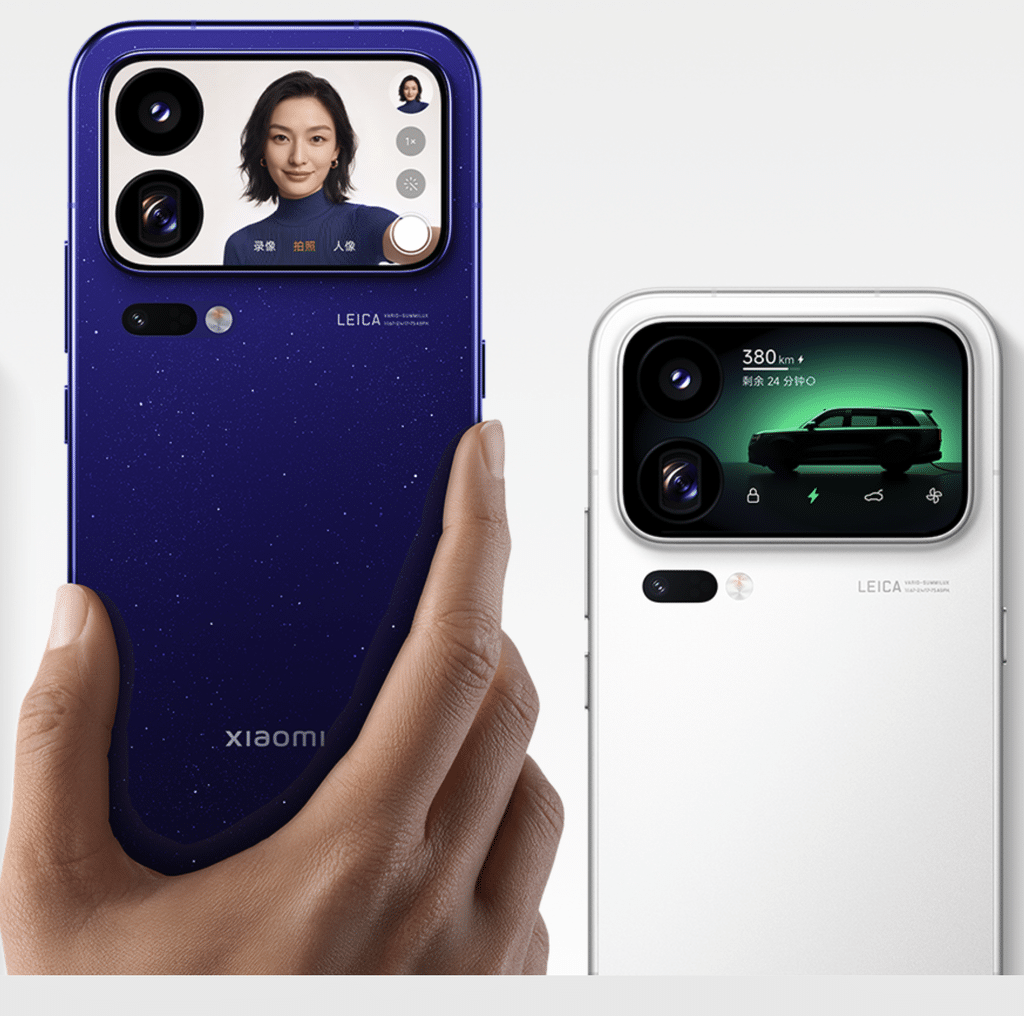
The Rear Screen Is Becoming More Useful
The screen beside the cameras is no longer just for showing a clock or preview.
Xiaomi has added AI-generated rear screen app cards, personalised wallpapers and an AI assistant.
Users can control smart-home devices, create reminders, adjust settings and access different mini applications directly from the rear display.
You can even ask AI to create new app cards based on what you want the rear screen to do.
This could make the second display considerably more useful than the small secondary screens seen on many older smartphones.
Hardware-Level Privacy Display
Another unusual feature is the privacy display.
Instead of relying purely on software, Xiaomi says the display can control the direction in which individual pixels emit light. This reduces visibility when someone tries looking at the phone from an angle.
Privacy settings can also be applied to specific apps and sensitive screens such as banking, payment or password pages.
The phone can even detect when another person appears to be looking at the screen and provide an alert.
The 8,500mAh battery inside the Xiaomi 18 Pro Max is one of its biggest talking points.
Xiaomi uses a silicon-based battery with up to 32 percent silicon content and claims an energy density of 946Wh/L.
Despite the increased capacity, charging remains fast at 100W wired and 50W wireless.
Xiaomi also says the battery is designed to retain at least 80 percent of its capacity after 2,000 charging cycles under its laboratory testing conditions.
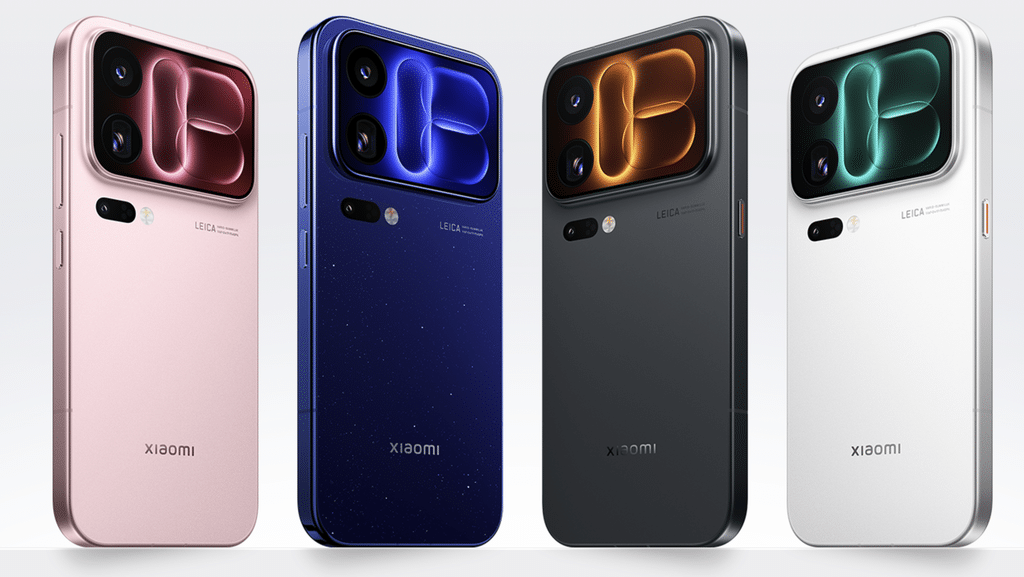
Xiaomi 18 Pro and Pro Max Colours
The standard models come in Galaxy Blue, Ice Peach Pink, Black and White.
Xiaomi has also introduced a more striking transparent special edition for buyers looking for something different.
HyperOS 4 and Better Cross-Device Connectivity
Both phones run Xiaomi HyperOS 4 with the upgraded Super XiaoAI 2.0 assistant in China.
The Pro Max documentation also highlights integration with Apple products. It supports functions involving iPhone, Mac and Apple Watch, including notification syncing and transferring photos between compatible devices.
There is also UWB support for compatible digital car keys, NFC, 5G connectivity and enhanced Wi-Fi performance.
Xiaomi 18 Pro India Launch
Xiaomi’s current India smartphone range still features the Xiaomi 17-series models rather than the new 18 Pro series.
You can check the official Xiaomi 18 Pro product page and Xiaomi 18 Pro Max product page for complete product information.
What Stands Out About the Xiaomi 18 Pro Series
The Xiaomi 18 Pro series looks less like an incremental yearly update and more like Xiaomi trying to push several flagship specifications at once.
The privacy screen is another interesting addition because it addresses something people regularly face in public places rather than simply adding another benchmark-friendly specification.
The privacy screen is another interesting addition because it addresses something people regularly face in public places rather than simply adding another benchmark-friendly specification.
The big question for Indian users now is whether Xiaomi brings both Pro models to India and how aggressively they are priced.